

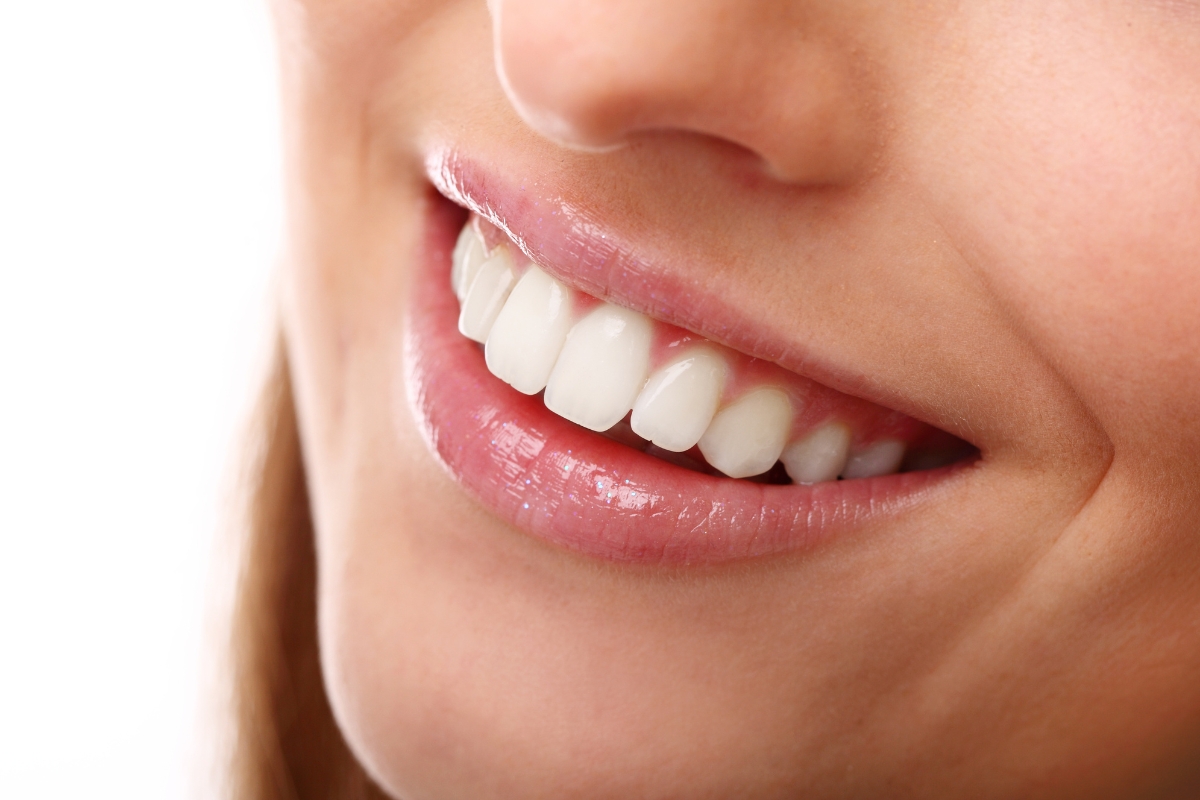
A brilliant smile is much more than teeth whitening treatments. Just think about the time and money you invest in whitening products, but your teeth are barely whiter. Poor oral hygiene is the main culprit behind this. Whitening works great only when the mouth is in perfect condition.
On an unclean surface, the whitening agents cannot penetrate the enamel for less-than-desirable results. In this blog, we shall see how oral hygiene plays a key role in the success of teeth whitening to ensure brighter, longer-lasting results.
Understanding Teeth Whitening
What is teeth whitening?
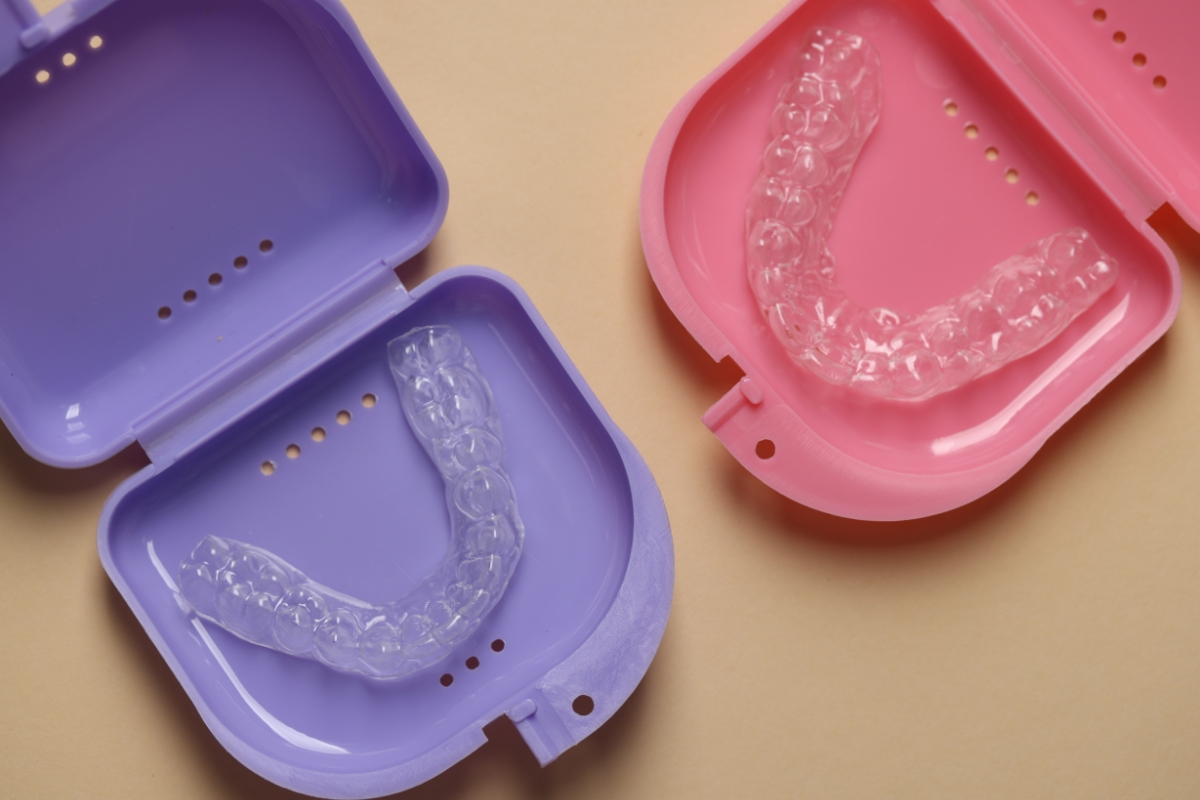
Whitening refers to any process intended to lighten the color of your teeth. The most common methods include in-office whitening, at-home whitening kits, and whitening strips.
In-office teeth whitening in Renton generally uses stronger agents for quicker, more noticeable whitening, although at-home whitening kits are usually a more gradual process. Each method tries to break down the stains and whiten the tooth enamel to enhance your smile.
Surface Stains versus Deep Stains
The stains on your teeth could either be surface stains or deep stains. The surface stains are external ones caused by food, beverages, and tobacco, which can easily be removed through whitening treatments.
Deep stains, on the other hand, penetrate the enamel and are usually caused by aging or medication. These might require more serious kinds of treatment. Understanding these differences will therefore help determine which whitening method is right for you.
The Place of Oral Hygiene in Teeth Whitening
Avoiding Surface Stains
Regular brushing and flossing help to reduce the rate of re-staining by eliminating surface stains. Brushing removes food debris that can otherwise lodge in your enamel and form discolorations. Flossing reaches between your teeth, where your toothbrush cannot reach, to remove any plaque that can build up and cause stains.
In this way, consistent teeth cleaning prevents surface stains from building up and hence increases the success rate and effectiveness of whitening treatments.
Reducing Plaque Formation
Plaque is a sticky, colorless film of bacteria that forms on teeth. If left untreated, plaque hardens into tartar, causing stains that cannot be removed by regular brushing.
Tartar lends the teeth a yellowish tint, making teeth whitening less effective. Regular brushing and professional cleanings prevent plaque buildup, so whitening products work as they should.
How good oral hygiene improves whitening results
A clean mouth allows whitening agents to function at their best. When the teeth are free of plaque, tartar, and food particles, the whitening products completely contact the enamel.
Healthy gums provide a stable foundation for whitening treatments, supporting long-term results. In other words, the cleaner your teeth, the better your whitening results.
How to Keep Your Teeth Healthy for Long-Lasting Whitening
Brush and Floss Regularly
The process of brushing two times a day and flossing once daily helps get rid of plaque and food particles that lead to stains. Use fluoride toothpaste, which will help keep the enamel safe while cleaning your teeth.
Using a Whitening Toothpaste
Whitening toothpaste can help remove surface stains. Pick one that’s gentle on enamel but effective at brightening your smile, and use it daily to maintain whitening results.
Staining Foods and Drinks to Avoid
Certain foods and drinks, like coffee, red wine, and berries, can stain your teeth. Well, if you love these, just rinse your mouth with water afterward to minimize the staining effects.
Regular Dental Cleaning
Even with diligent brushing and flossing, tartar can build up over time. Regular visits to the dentist will help in professional cleaning to remove tartar, which dulls your smile and prevents whitening results.
A Healthy Mouth: How It Boosts the Effectiveness of Teeth Whitening Products
Whitening Products and Clean Teeth
The products of teeth whitening in Renton work much better when applied to clean teeth. Plaque and tartar can block whitening agents from fully penetrating the enamel, reducing the effectiveness of the treatment. Keep your teeth clean for optimal results.
Impact of Gum Health on Whitening
Healthy gums provide support to the whitening process in its entirety by keeping teeth strong and stable. Whitening treatments maintain less risk of infection, inflammation, or discomfort with healthy gums, ensuring smoother results.
Teeth whitening treatments are best complemented by a solid oral hygiene routine. Brushing, flossing, and professional cleanings all ensure your teeth are prepared for the best possible results. The better your oral hygiene, the brighter and longer-lasting your results can be.
Schedule a consultation today with us to learn more about teeth whitening and how you can improve your smile. Your healthy, clean mouth is the secret to that sparkle!
FAQs
Is it safe to whiten my teeth during pregnancy?
It’s best to consult your dentist before undergoing any whitening treatments during pregnancy, as the effects on a developing baby are not fully known.
How long do teeth whitening results last?
Whitening results typically last anywhere from a few months to a year, depending on oral hygiene and lifestyle habits.
Can I whiten my teeth if I have braces?
Whitening is not recommended during orthodontic treatment. Once the braces are removed, whitening can help restore an even color to your teeth.
Why do my teeth feel sensitive after whitening?
Teeth may become sensitive during whitening treatments due to the peroxide used, but this usually subsides after a few hours or days.
Does smoking affect the whitening process?
Yes, smoking causes stubborn stains on teeth. Quitting smoking can help maintain your whitening results longer.