
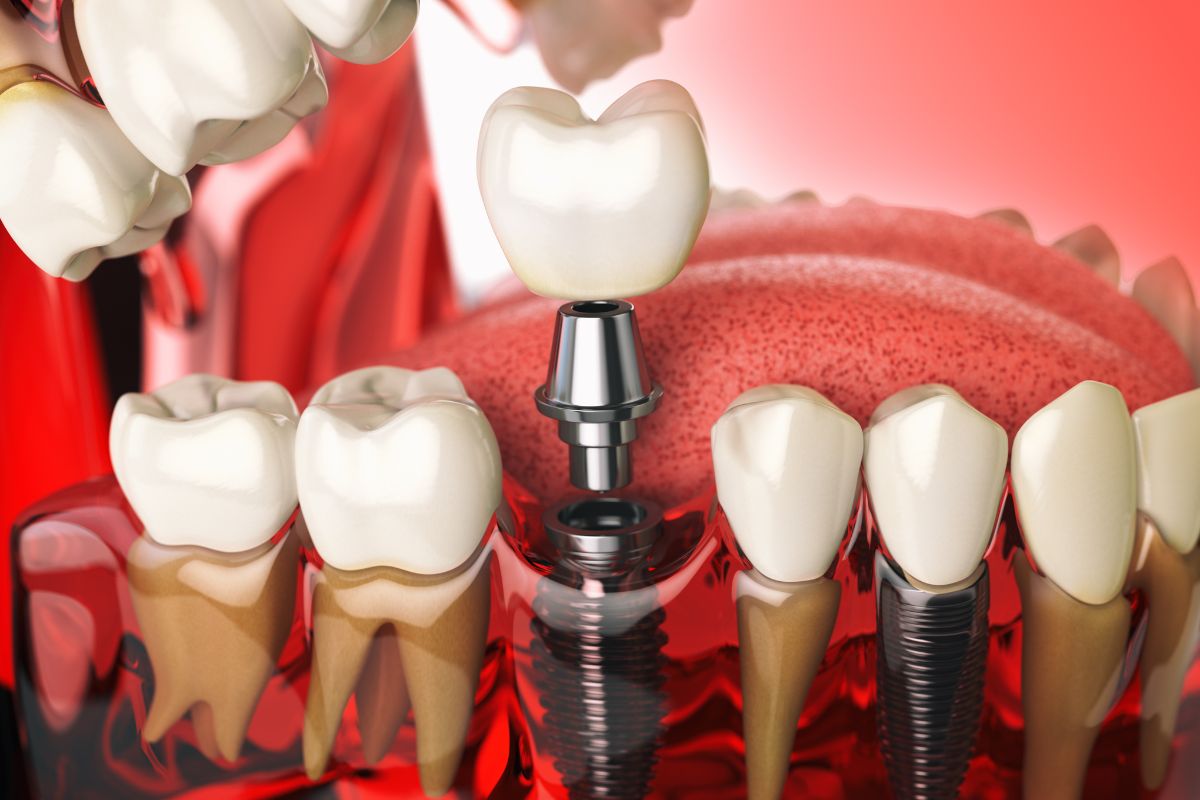
Getting a dental implant is a major step toward restoring your smile and improving daily comfort. However, the healing period that follows plays a big role in how smoothly recovery goes. One of the most common questions patients ask after surgery is simple: “What can I eat now?” The answer matters more than many people realize.
Your mouth needs time to recover after the implant dentist places the implant post into the jawbone. During this stage, certain foods can support healing while others may irritate the area or slow recovery. Eating the right meals can help reduce discomfort, protect the surgical site, and make the first few weeks much easier.
Why Food Choices Matter After Implant Surgery
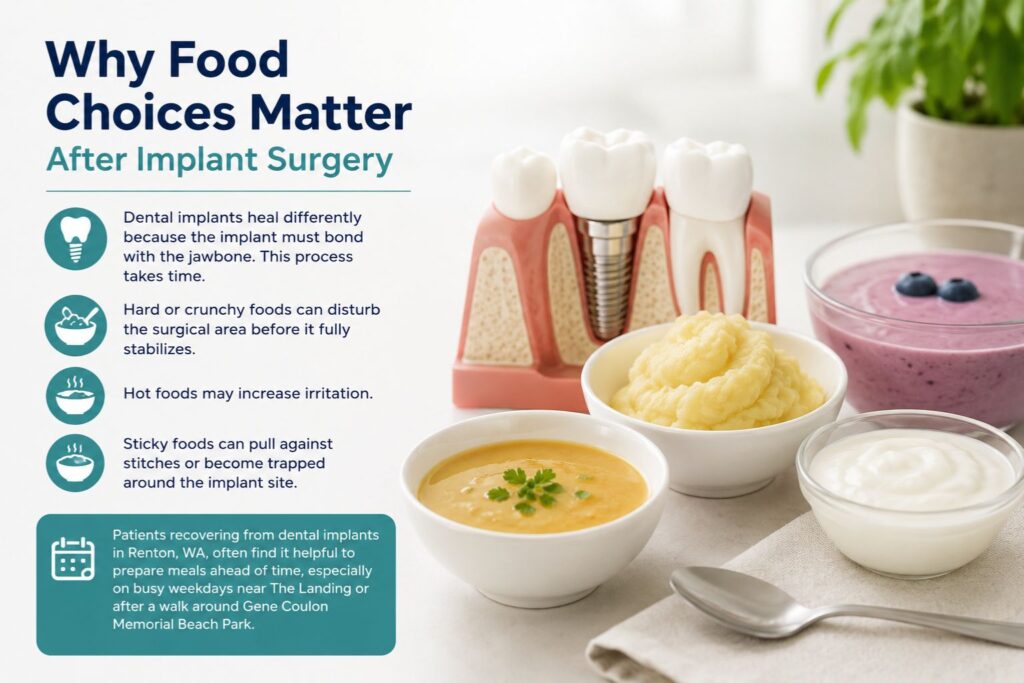
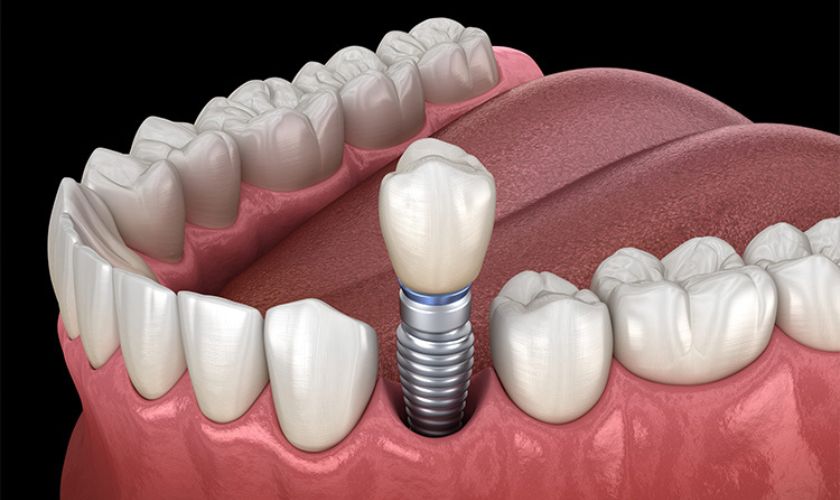
Dental implants heal differently from other dental procedures because the implant must bond with the jawbone. This process takes time. During the early healing period, the surrounding tissue remains sensitive and vulnerable to pressure.
Hard or crunchy foods can disturb the surgical area before it fully stabilizes. Hot foods may increase irritation. Sticky foods can pull against stitches or become trapped around the implant site. That is why implant dentists often recommend a carefully planned diet during recovery.
Patients recovering from dental implants in Renton, WA, often find it helpful to prepare meals ahead of time, especially on busy weekdays near The Landing or after a walk around Gene Coulon Memorial Beach Park.
The First 24 Hours: Keep It Soft and Cool
The first day after surgery is usually the most delicate stage of healing. Your goal is to avoid pressure on the implant area while keeping yourself hydrated and nourished.
Here are some foods that are generally easy to tolerate:
- Smooth yogurt
- Applesauce
- Mashed potatoes
- Protein shakes
- Cottage cheese
- Lukewarm soup broth
- Smoothies without seeds
- Scrambled eggs
Cold foods may also help soothe the area. Some patients feel more comfortable eating chilled yogurt or blended fruit smoothies during the first evening after surgery.
Avoid drinking through a straw. The suction may interfere with blood clot formation and increase irritation around the surgical site.
Foods to Eat During the First Week
As soreness begins to improve, you can slowly expand your food choices. The key is still to avoid chewing directly on the implant area.
Soft Proteins Help Recovery
Your body needs protein to support healing after surgery. Soft protein-rich foods are often easier to eat comfortably.
Good choices include:
- Shredded chicken
- Soft fish
- Tofu
- Ground turkey
- Egg salad
- Lentils
- Soft beans
Salmon is especially popular because it is soft and easy to prepare. Many local grocery stores around Renton Highlands carry ready-to-cook salmon options that work well during recovery.
Choose Gentle Carbohydrates
Soft carbohydrates can provide energy without irritating your gums.
Helpful options include:
- Oatmeal
- Rice
- Pasta
- Soft bread
- Pancakes
- Macaroni and cheese
Make sure food is warm rather than steaming hot. Heat can increase tenderness during the first several days.
Stay Hydrated
A dry mouth can make healing feel more uncomfortable. Drinking enough water helps support tissue recovery and keeps the mouth cleaner.
Water is the best choice. Avoid carbonated drinks, alcohol, and acidic beverages for several days unless your implant dentist says otherwise.
Foods You Should Avoid
Some foods can interfere with healing or place too much pressure on the implant area.
Try to avoid:
- Chips
- Popcorn
- Nuts
- Steak
- Crusty bread
- Chewing gum
- Sticky candy
- Raw vegetables
- Spicy foods
Popcorn is one of the biggest problems after dental implant surgery because small kernels can become trapped near the healing gum tissue.
Crunchy foods are also risky because they may shift pressure onto the implant before the area stabilizes.
How Long Before You Can Eat Normally Again?
Healing timelines vary from person to person. Some patients feel ready for more solid foods within a week, while others need longer adjustments depending on the number of implants placed and the condition of the surrounding bone.
Most implant dentists recommend gradually returning to regular foods instead of rushing back immediately.
A simple rule helps during recovery:
If chewing causes pressure or discomfort near the implant site, the food is probably too firm right now. Start with softer textures and slowly work upward as tenderness improves.
Smart Meal Ideas During Recovery
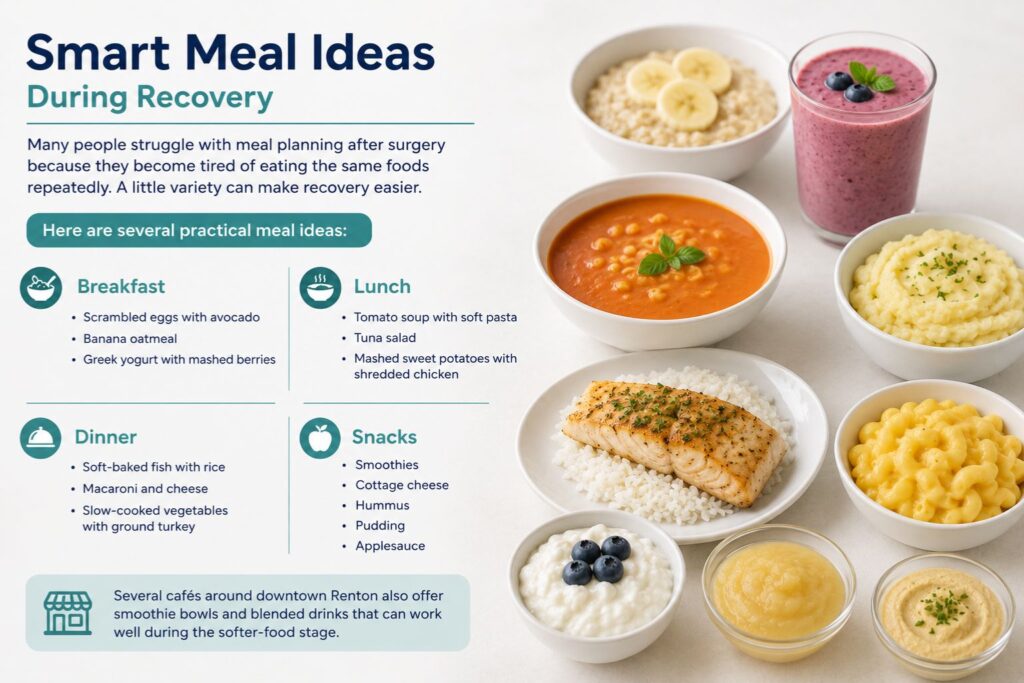
Many people struggle with meal planning after surgery because they become tired of eating the same foods repeatedly. A little variety can make recovery easier.
Here are several practical meal ideas:
Breakfast
- Scrambled eggs with avocado
- Banana oatmeal
- Greek yogurt with mashed berries
Lunch
- Tomato soup with soft pasta
- Tuna salad
- Mashed sweet potatoes with shredded chicken
Dinner
- Soft-baked fish with rice
- Macaroni and cheese
- Slow-cooked vegetables with ground turkey
Snacks
- Smoothies
- Cottage cheese
- Hummus
- Pudding
- Applesauce
Several cafés around downtown Renton also offer smoothie bowls and blended drinks that can work well during the softer-food stage.
Signs Your Diet May Be Causing Problems
Sometimes patients accidentally irritate the surgical area without realizing it.
Pay attention to warning signs like:
- Increased swelling after meals
- Bleeding while chewing
- Sharp pain around the implant
- Food repeatedly getting stuck
- Persistent throbbing discomfort
If symptoms worsen rather than improve, contact the implant dentist promptly.
Healing should gradually become easier day by day.
Small Habits That Help Healing
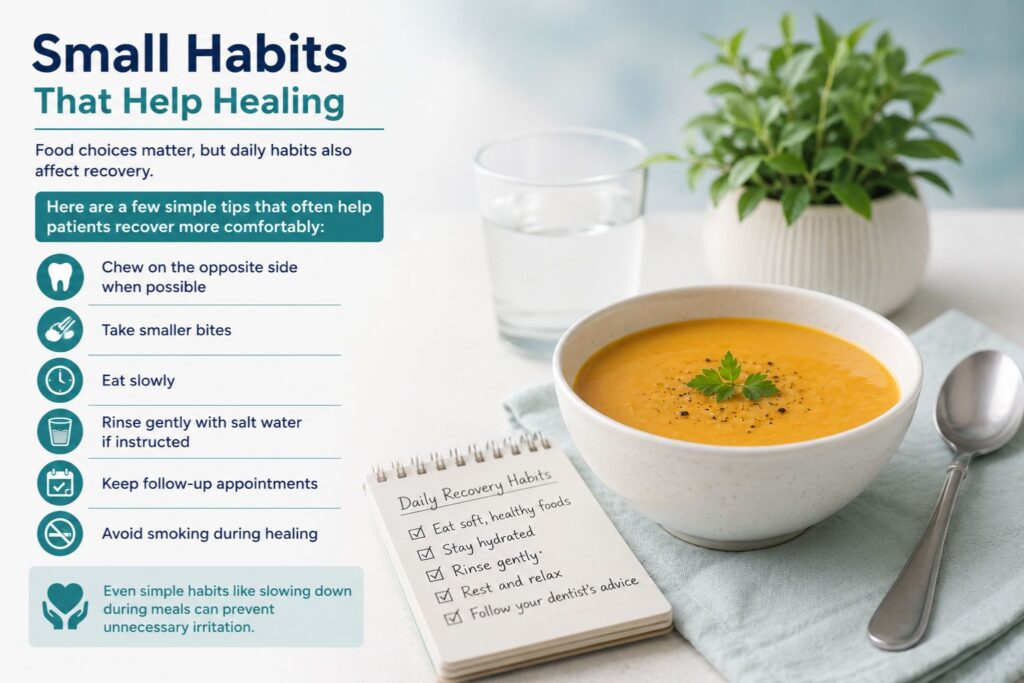
Food choices matter, but daily habits also affect recovery.
Here are a few simple tips that often help patients recover more comfortably:
- Chew on the opposite side when possible
- Take smaller bites
- Eat slowly
- Rinse gently with salt water if instructed
- Keep follow-up appointments
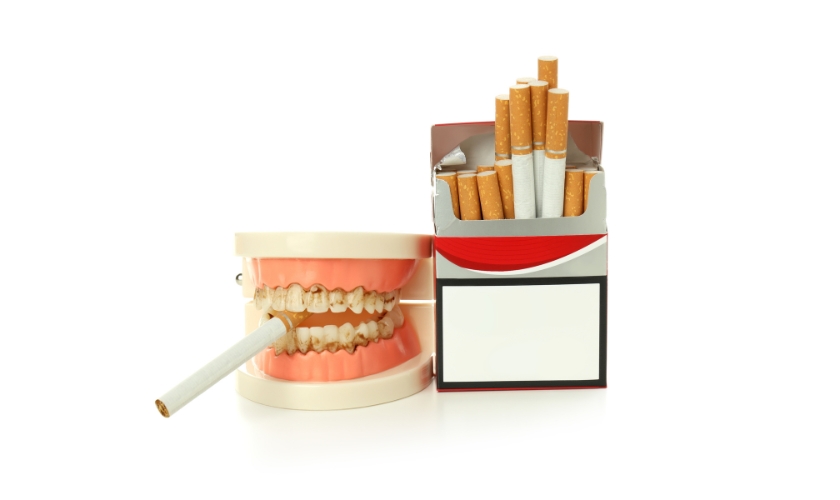
- Avoid smoking during healing
Even simple habits like slowing down during meals can prevent unnecessary irritation.
Healing Starts With Everyday Choices
Recovering after implant surgery does not mean giving up enjoyable meals completely. It simply means choosing foods that protect the surgical area while your mouth rebuilds strength. Small adjustments during the first few weeks can make healing smoother and more comfortable.
At Aura Dentistry and Spa, patients receiving dental implants in Renton, WA, receive detailed guidance on healing, eating, and protecting their new smile after surgery. Following the right recovery steps can help support long-term implant stability and improve overall comfort during healing.
Questions People Ask About Food After Dental Implants
Can coffee be consumed after dental implant surgery?
Hot coffee may irritate sensitive tissue during the first day or two after surgery. Many implant dentists recommend waiting until swelling improves. Lukewarm beverages are generally safer during early healing. Avoid using straws while drinking, as the suction may interfere with proper healing around the implant site.
Is it safe to eat rice after implant surgery?
Soft rice is usually acceptable after the first couple of days if chewing feels comfortable. It should not be overly hot or heavily seasoned. Patients should chew gently and avoid letting small grains collect near the implant site. Rinsing carefully afterward can help keep the area clean.
When can crunchy foods be eaten again?
Crunchy foods should usually be avoided until the implant site has stabilized. Healing times vary depending on the procedure and the individual patient. Many people begin slowly reintroducing firmer textures after several weeks, but the implant dentist should confirm when the area is ready for harder foods.
Can spicy foods slow down healing?
Spicy foods may irritate sensitive gum tissue after surgery. Some patients notice increased burning or discomfort when eating heavily seasoned meals during the first week. Choosing mild foods temporarily can help reduce irritation and make eating more comfortable while the tissue continues healing around the implant area.
Are smoothies good after implant surgery?
Smoothies are often one of the easiest foods to tolerate after implant placement because they require little chewing. They can also provide nutrients during recovery. Avoid adding seeds, crunchy toppings, or thick chunks of fruit. Drinking directly from a cup is safer than using a straw during healing.
What happens if food gets stuck near the implant?
Food particles may irritate healing tissue if they remain trapped near the surgical area. Gentle rinsing with water or salt water may help safely remove debris. Avoid aggressive brushing directly over the implant during early healing. Persistent irritation or swelling should be evaluated promptly by the implant dentist.