

Many patients in Renton put off replacing a missing tooth because it does not seem urgent. The gap feels manageable. But understanding why delaying a dental bridge costs you more than money Renton residents often discover too late is eye-opening. The consequences of waiting go far beyond aesthetics. They affect your bite, your bone, your surrounding teeth, and your long-term oral health.
At Aura Dentistry and Spa of Renton, Dr. Suman Hothi works with patients every week who wish they had acted sooner. This article explains what actually happens when you delay treatment — and why the cost of waiting is almost always higher than the cost of acting now.
What a Dental Bridge Actually Does for Your Mouth
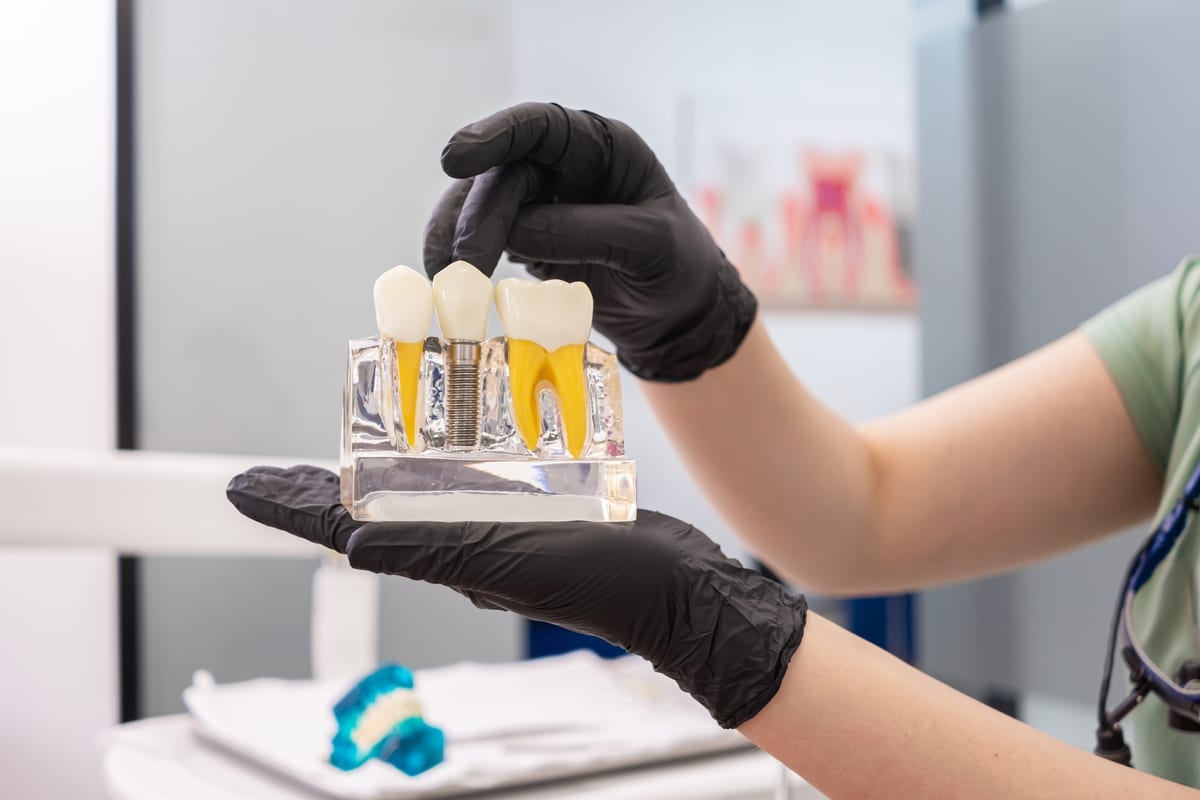
A dental bridge fills the space left by one or more missing teeth. It anchors to the healthy teeth on either side of the gap, known as abutment teeth. A custom-crafted false tooth sits in between, restoring your full smile.
Beyond appearance, a bridge restores proper chewing function. It distributes bite pressure evenly across your teeth. Without it, your remaining teeth absorb uneven force with every bite.
A bridge also maintains the natural position of surrounding teeth. When a gap exists, neighboring teeth slowly drift toward the open space. That drifting creates a cascade of problems that becomes harder and more expensive to fix over time.
- Restores chewing function and bite alignment
- Prevents neighboring teeth from shifting
- Supports the natural structure of your jaw
- Maintains the shape of your face and smile
- Reduces strain on remaining teeth
Why Delaying a Dental Bridge Costs You More in Renton: The Hidden Consequences
When a tooth is missing, the jawbone beneath it begins to deteriorate. This process is called bone resorption. It starts within just a few months of tooth loss. The longer the gap remains unfilled, the more bone volume disappears.
Bone loss changes the shape of your face over time. Cheeks can appear sunken. Your bite shifts. Other teeth become unstable as the bone that supports them weakens. These are not minor cosmetic concerns — they are structural problems.
Shifting teeth also create new gaps and overlaps. Those changes make brushing and flossing harder. Plaque builds up in difficult corners, raising the risk of decay and gum disease on otherwise healthy teeth. One missing tooth can ultimately compromise several others.
Patients who wait too long may also lose the option of a simple bridge entirely. If bone loss is significant, more complex and costly treatments — like Dental Implants Renton — may become the only viable solution. Acting early preserves your options.
The Financial Reality of Waiting Too Long
People often delay dental bridges because they are concerned about the upfront investment. That thinking is completely understandable. But the math often works against waiting.
When shifting teeth crack or fracture under uneven pressure, crowns or root canals may be needed. When gum disease develops in harder-to-clean areas, deeper treatment becomes necessary. Each of these procedures adds to your total cost over time.
Bone grafting may be required before implants can be placed if too much jaw density has been lost. The cost and recovery time for bone grafting is significantly greater than a standard bridge procedure. Patients who need ongoing Dental Implant Maintenance Renton understand firsthand how preventive action saves money in the long run.
- Delayed treatment can lead to cracked or fractured neighboring teeth
- Gum disease risk increases around shifting teeth
- Bone grafting adds significant cost if implants become necessary
- Multiple procedures may replace what one bridge could have solved
- Early treatment almost always costs less than reactive treatment
What to Expect When You Choose a Dental Bridge at Aura Dentistry and Spa
Dr. Suman Hothi takes a patient-centered approach to every bridge procedure. The process is straightforward and designed to minimize discomfort at every step. Most patients are surprised by how manageable the experience is.
Your first visit involves a thorough examination of the gap, surrounding teeth, and underlying bone structure. Dr. Hothi discusses your goals and determines whether a bridge is the right fit for your specific situation. She explains every step clearly before moving forward.
The abutment teeth are gently prepared to support the bridge. Impressions are taken so the lab can craft a bridge that fits precisely. A temporary bridge protects your teeth while the permanent one is being created.
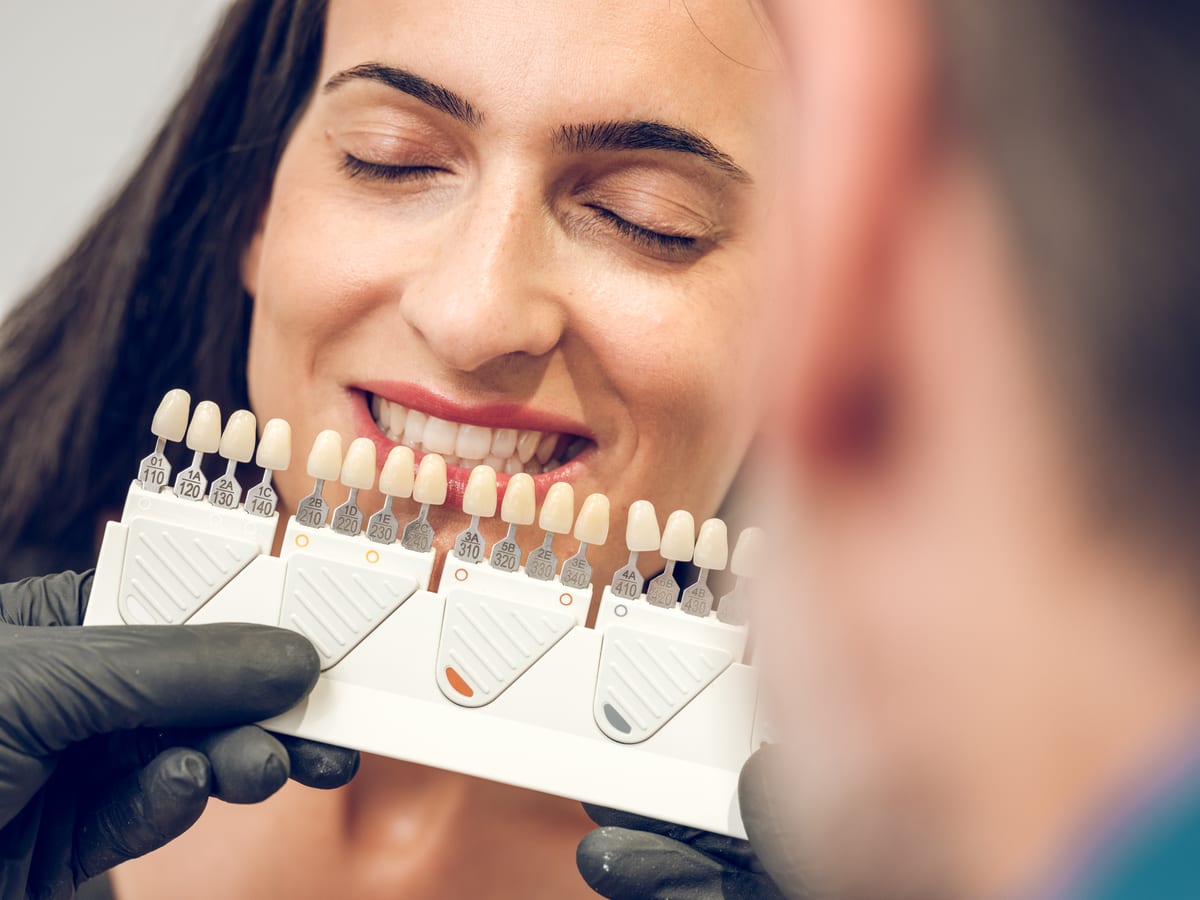
At your second visit, the permanent bridge is placed and adjusted for a perfect fit. The result is a natural-looking, fully functional tooth replacement. Most patients leave feeling immediate relief in their bite and confidence in their smile.
Who Should Consider a Dental Bridge in Renton?
A dental bridge is a strong option for patients who are missing one or more consecutive teeth. It works best when the surrounding teeth are healthy enough to serve as anchors. Dr. Hothi evaluates each patient individually to confirm that a bridge is the right solution.
Patients who have recently had a tooth extraction often benefit most from acting quickly. The sooner the gap is addressed, the less bone loss occurs. Timing genuinely matters when it comes to the long-term success of any tooth replacement.
If you have been living with a gap for a while, do not assume it is too late. Dr. Hothi will assess your current bone health and tooth positioning. She will recommend the most appropriate path forward based on where you are today — not where you should have started.
Conclusion: Do Not Let a Small Gap Become a Big Problem
A missing tooth may feel like a minor issue in the short term. But the longer the gap remains, the more your oral health pays the price. Bone loss, shifting teeth, increased decay risk, and rising treatment costs are all avoidable with timely care.
Dr. Suman Hothi and the team at Aura Dentistry and Spa of Renton are here to help you make an informed decision — not a pressured one. Understanding why delaying a dental bridge costs you more than money Renton patients experience is the first step toward protecting your smile for years to come. Book Now to schedule your appointment with our team.
Frequently Asked Questions
How long does a dental bridge last?
With proper care and regular dental visits, a dental bridge can last 10 to 15 years or longer. Brushing, flossing around the bridge, and routine cleanings all extend its lifespan significantly.
Is getting a dental bridge painful?
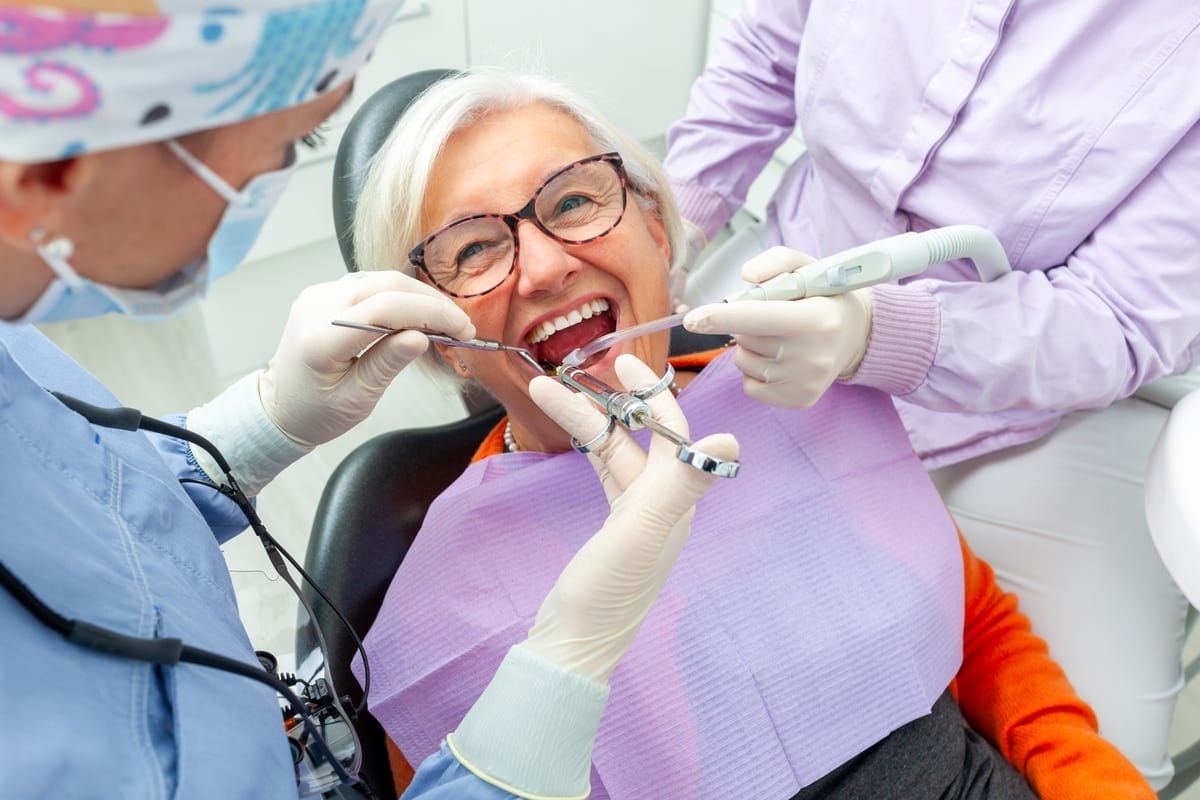
Most patients find the procedure very comfortable. Dr. Hothi uses local anesthesia to numb the area before preparing the abutment teeth. Any mild soreness after the appointment typically resolves within a few days.
Can I wait to get a dental bridge if the gap does not bother me?
Waiting may feel harmless, but bone resorption and tooth shifting begin quickly after tooth loss. Even if the gap feels manageable, the underlying changes can lead to much more complex and costly treatment down the road.
What is the difference between a dental bridge and a dental implant?
A dental bridge uses neighboring teeth as anchors and does not require surgery. A dental implant is surgically placed into the jawbone and stands on its own. Both are effective options, and Dr. Hothi will recommend the best fit based on your bone health and specific needs.
How do I care for a dental bridge at home?
Brush twice daily and use floss threaders or a water flosser to clean underneath the bridge. Avoid biting hard foods directly with the bridge. Regular professional cleanings at Aura Dentistry and Spa of Renton help keep your bridge and surrounding gum tissue healthy.