
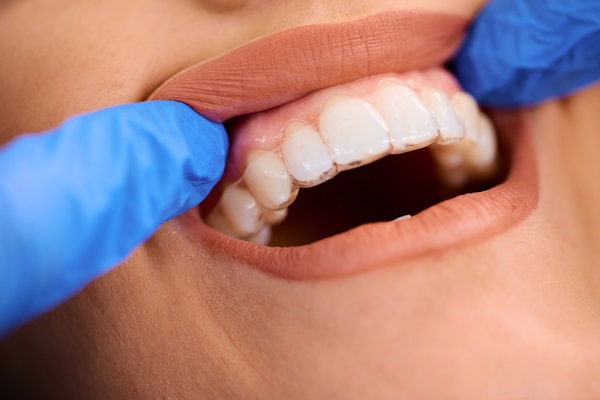
Tooth chips happen quite commonly. Spaces develop. Stains remain even after you have tried every method to remove them. If you are experiencing any of these problems, you may have considered dental bonding as a treatment. It is one of the easiest cosmetic fixes, and the best part is that it is cost-effective, fast, and very effective. Those in the Renton area who want to beautify their smiles without spending too much can consider dental bonding as a viable option.
This blog addresses the frequently asked questions about dental bonding. You will learn what dental bonding is, how it works, and what to expect before and after treatment. After reading, you will easily tell if bonding is your option.
What Is Dental Bonding?
Dental bonding is a cosmetic treatment that uses a tooth-colored resin to cover or repair teeth. The resin is sculpted into the desired shape, cured under a special light, and then polished to perfectly match your teeth.
Typically, it is used to:
- Repair chipped or cracked teeth
- Close small spaces between teeth
- Cover discoloration or coffee stains
- Make teeth look longer or change their shape
- Protect exposed tooth roots as a result of gum recession
The process of dental bonding in Renton, typically takes 30 to 60 minutes per tooth and can often be completed in a single visit.
How Does the Bonding Process Work?
The process is straightforward and minimally invasive. Here is the breakdown:
- Preparation: Your dentist will slightly roughen the tooth surface, then apply a conditioning liquid that serves as an adhesive for the bonding material.
- Application: Various coats of resin, which are of the same color as your tooth, are put on and then shaped.
- Hardening: UV light or a laser hardens each coat of resin within a few seconds.
- Finishing Touches: Your dentist will trim, shape, and polish the bonding so that it looks completely natural.
Additionally, many patients with dental bonding in Renton, WA, are thrilled with how fast and comfortable the procedure is compared to other cosmetic treatments. Unlike veneers or crowns, bonding usually doesn’t require anesthesia unless it’s being used to fill a cavity.
What’s the Lifespan of Dental Bonding?
Usually, the bonding material lasts 3 to 10 years, depending on your care and placement. The front teeth generally have a longer lifespan because they are not used for heavy chewing.
The reasons that affect the duration of the bonding to a great extent are:
- Your home oral care routine
- Diet (eating hard or sticky foods might damage your bonding)
- Habits like biting nails, chewing ice, or grinding teeth
- The location of the bonding on your tooth
Regular dental checkups help catch wear early, so your dentist can repair or replace bonding as needed.
Does Dental Bonding Hurt?
Bonding is mostly pain-free. Because it only affects the tooth surface, most patients do not require anesthesia. You may feel only minor pressure during the shaping step, and there won’t be any drilling into the tooth structure unless bonding is accompanied by cavity treatment.
If you are anxious about the dentist, let your dentist know. Most dental offices in Renton provide soothing options to keep you comfortable.
What Are the Benefits of Bonding?
Bonding has many advantages that contribute to its popularity:
- Affordable: It costs significantly less than veneers or crowns.
- Quick: Most treatments finish in one visit.
- Conservative: Minimal removal of natural tooth structure.
- Versatile: Fixes chips, gaps, discoloration, and more.
- Natural-looking: Resin is color-matched to blend with your teeth.
Bonding is an excellent solution for minor cosmetic imperfections without the hassle and cost of advanced, invasive procedures.
Are There Any Downsides?
Bonding is a useful tool for dental restoration, but it has some limitations, including:
- Bonding Can Stain: Over time, bonding may pick up stains from coffee, tea, red wine, tobacco, etc.
- Less Durable than Veneers or Crowns: It’s not as strong as veneers or crowns and can chip more easily.
- Requires Good Maintenance: You need to take care of your bonded teeth to prevent damage.
- Lifespan: May need replacement every few years.
If you have significant tooth damage, porcelain veneers or crowns are likely better alternatives. Your dentist will help you determine what is best for your situation and your unique needs.
How to Care for Bonded Teeth
Caring for bonded teeth is easy:
- Use a soft-bristled toothbrush to brush twice a day.
- Floss every day to avoid cavities forming around your bonded teeth.
- Don’t bite down on hard objects (such as ice, pens, or your fingernails).
- Avoid foods and drinks that stain (especially the first 48 hours).
- Do not use your teeth to open packages.
- Wear a night guard if you grind your teeth while sleeping.
- See your dentist every six months for cleanings and checkups.
By following the above suggestions, your bonded teeth can remain looking good for many years.
Can Bonding Be Combined with Other Treatments?
Yes, bonding will frequently be done in combination with other treatments, including:
- Teeth whitening (done before bonding, so the resin matches your brighter shade)
- Orthodontics (to close remaining gaps after braces)
- Gum contouring (to improve tooth proportions)
Your dentist will discuss providing a treatment plan tailored to your unique needs and concerns.
Do You Wish To Enhance Your Smile?
Bonding is an easy and inexpensive way to address minor imperfections and improve self-esteem. Bonding may be the ideal solution for you, whether you have a chipped tooth from a weekend hike at Cougar Mountain or have been concerned about a gap for many years.
At Aura Dentistry and Spa, we specialize in cosmetic services tailored to your individual needs. Our caring dental team is committed to providing you with individual attention and a relaxing and inviting environment.
Schedule A Consultation Today!
Are you trying to determine if dental bonding in Renton, WA, would work for your particular situation? Call us at Aura Dentistry and Spa to review your smile goals. We will explain all of your options and develop a plan that meets both your budget and lifestyle needs. Your ideal smile is within reach!
Common Questions Most People Ask
Most insurance plans don’t cover bonding when it’s purely cosmetic. However, if bonding is used to repair a cavity or structural damage, it may be partially covered. Check with your provider.
Bonding works best for small to moderate gaps. Large gaps may require orthodontics or veneers for better, longer-lasting results.
You might notice a slight difference at first, but most patients adjust within a day or two. The bonding is smoothed to feel natural.
No, bonding material doesn’t respond to whitening treatments. If you plan to whiten your teeth, do it before bonding so the resin can be matched to your new shade.