


If you’re missing one or more teeth, you’ve probably already heard the big question: dental implants vs. dentures — which option actually fits your life in Fairwood? It’s not a simple answer. The right choice depends on your health, your lifestyle, and your long-term goals. This guide breaks down both options honestly so you can make a confident, informed decision.
Understanding the Core Difference Between Implants and Dentures
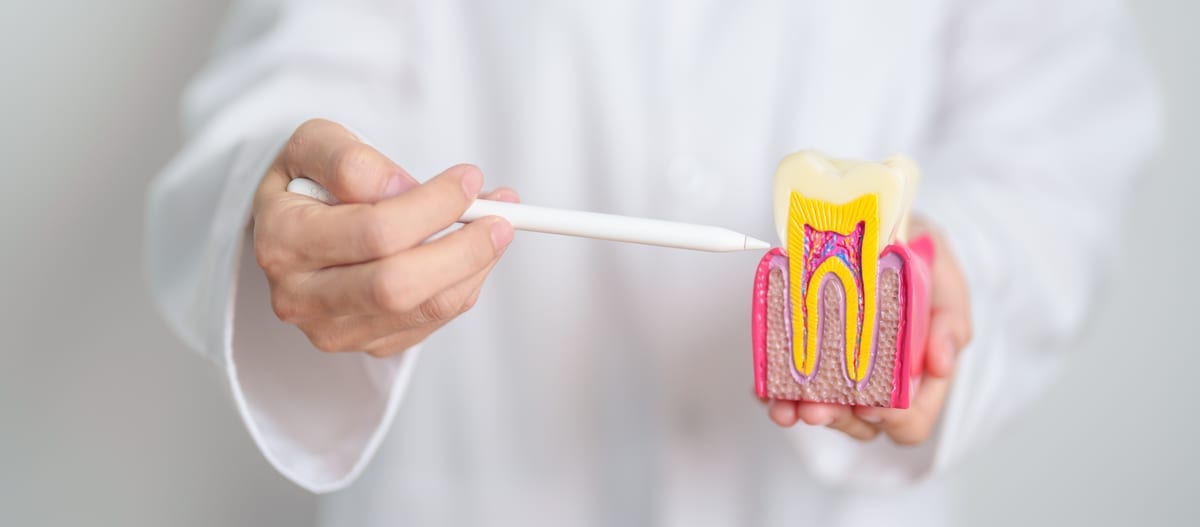
Dental implants are titanium posts surgically placed into your jawbone. They act as artificial tooth roots. A crown is then attached on top, creating a permanent, natural-looking tooth replacement.
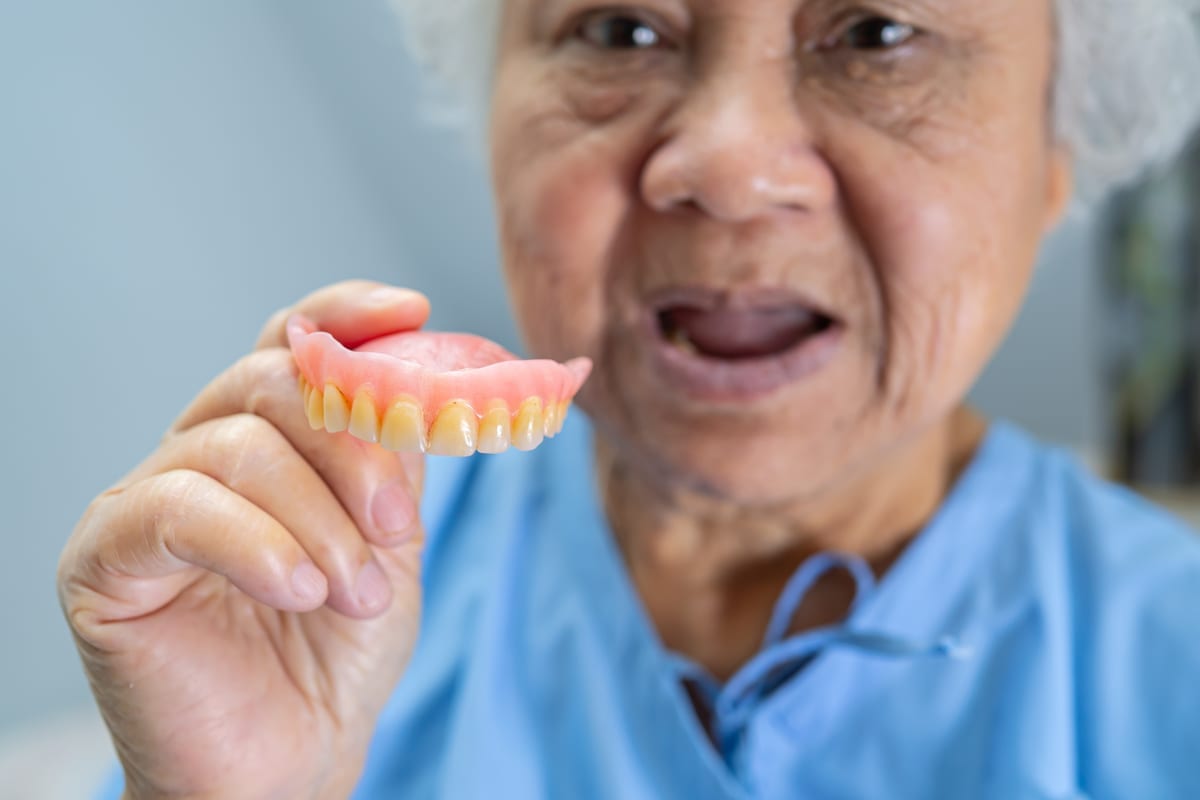
Dentures, on the other hand, are removable appliances. They sit on top of your gums and replace multiple — or all — missing teeth. Traditional dentures don’t attach to your jawbone the way implants do.
That structural difference matters more than most people realize. Implants stimulate the jawbone, preventing bone loss over time. Dentures don’t provide that stimulation, which means the bone can slowly shrink. This affects how your face looks and how your dentures fit as years go by.
Dental Implants vs. Dentures Fairwood: Which Lasts Longer?
Longevity is one of the most important factors for Fairwood patients comparing these two options. Dental implants, with proper care, can last 20 to 30 years or even a lifetime. Good Dental Implant Maintenance Fairwood habits are the key to making them last.
Dentures typically need replacement every 5 to 10 years. As your jawbone changes shape, dentures can loosen and become uncomfortable. You may also need periodic adjustments called relines to keep them fitting properly.
Here’s a quick comparison of how both options hold up over time:
- Implants: 20+ year lifespan with proper hygiene and maintenance
- Dentures: Need replacement every 5–10 years on average
- Implants: Preserve jawbone density long-term
- Dentures: May cause gradual bone loss over time
- Implants: Fixed in place, no adhesives needed
- Dentures: Can shift or slip during eating and speaking
Who Is a Good Candidate for Each Option?
Not everyone qualifies for dental implants right away. Good candidates typically have sufficient jawbone density to support the implant post. Patients with gum disease must have it treated before moving forward with implants.
Dentures are often a better starting point for patients who need a faster, more affordable solution. They work well when multiple teeth are missing across different areas. They also suit patients who may not be ready for oral surgery.
Factors that may make dentures the better choice include:
- Significant jawbone loss that hasn’t been addressed yet
- Medical conditions that affect healing or surgical outcomes
- Needing a quicker timeline to restore your smile
- Replacing a full arch of missing teeth at lower upfront cost
Factors that may point toward implants include good overall oral health, a strong jawbone, and a desire for a long-term, low-maintenance solution. A consultation with Dr. Suman Hothi at Aura Dentistry and Spa of Renton will help clarify which path makes sense for your specific situation.
Daily Life Considerations for Fairwood Patients
Beyond clinical factors, think about how each option fits into your everyday life in Fairwood. Implants function almost exactly like natural teeth. You eat, brush, and floss without removing anything.
Dentures require more daily management. You remove them at night, clean them separately, and use adhesives to keep them stable. Many patients adjust to this routine without issue. But it is a different lifestyle than having fixed teeth.
Comfort during meals also differs significantly. Implants restore close to full biting force. Dentures can make chewing harder foods more difficult. Some patients with dentures avoid certain foods they used to enjoy.
Speech can also be affected during the adjustment period with dentures. Implants generally don’t cause speech changes once fully healed. These everyday details matter when choosing what actually fits your life.
What About Dental Bridges? A Third Option Worth Knowing
Many patients don’t realize there’s a third common option: dental bridges. A bridge fills a gap by anchoring to the healthy teeth on either side of the missing tooth. It’s a fixed restoration, unlike dentures, but it doesn’t require surgery like implants.
Bridges are a solid middle-ground choice for some patients. However, placing a bridge requires reshaping the healthy adjacent teeth. That’s a trade-off worth discussing with your dentist. For minor cosmetic gaps between existing teeth, Dental Bonding Fairwood may also be worth exploring as a conservative alternative.
Unlike implants, bridges also don’t prevent bone loss beneath the missing tooth. Over years, that bone can gradually shrink. Implants remain the gold standard for preserving jawbone health long-term.
Making Your Decision with Confidence
There’s no single right answer for every Fairwood patient. Your decision should weigh your health history, your timeline, your budget, and your long-term goals. The best starting point is an honest conversation with a dentist who knows your full dental picture.
Dr. Suman Hothi and the team at Aura Dentistry and Spa of Renton are here to guide you through every option without pressure. We help you understand what each path really involves. That way, your choice is yours — informed and confident.
Ready to figure out which tooth replacement option fits your life? Book Now to schedule your appointment with our team.
Frequently Asked Questions
Are dental implants painful to get?
Most patients report that the procedure is more comfortable than expected. Local anesthesia is used during placement, so you won’t feel pain during surgery. Some soreness and swelling are normal for a few days afterward. Over-the-counter pain relievers typically manage any discomfort effectively during healing.
How long does it take to get dental implants from start to finish?
The full process usually takes between 3 to 6 months. This timeline includes the implant placement, a healing period for the implant to fuse with the jawbone, and then the crown placement. Your individual healing rate and jawbone health can affect the timeline. Your dentist will give you a more specific estimate after your evaluation.
Can dentures be converted to implants later?
Yes, in many cases patients start with dentures and later transition to implant-supported options. Implant-supported dentures combine the affordability of dentures with the stability of implants. This is a popular option for patients who want more security without full individual implants. Your dentist can assess whether your jawbone can support this upgrade.
Do dental implants look natural?
Yes. Dental implants are designed to closely match the color, shape, and size of your surrounding natural teeth. The crown placed on top is custom-made for your smile. Most people cannot tell the difference between an implant crown and a natural tooth.
How do I care for dental implants differently from natural teeth?
The good news is that implant care is very similar to caring for natural teeth. Brush twice daily, floss regularly, and attend routine dental cleanings. Avoiding hard foods that could crack the crown is also recommended. Regular check-ups help ensure both the implant and surrounding tissue stay healthy long-term.
Ready to see us?
New patients are always welcome.
Book an appointmentCall us (425) 277-0125