


If you’ve recently lost a tooth — or several — you’re probably weighing your options. The question of Dental Implants vs. Dentures: Which Option Actually Lasts Longer in East Hill-Meridian comes up constantly in dental offices. Patients want real answers, not sales pitches. This article breaks down both options honestly so you can make a confident decision.
At Aura Dentistry and Spa of Renton, Dr. Suman Hothi helps patients in East Hill-Meridian navigate exactly this choice every week. The right answer depends on your health, budget goals, and lifestyle. Let’s look at the facts.
How Long Do Dental Implants Actually Last?
Dental Implants East Hill-Meridian are widely considered the gold standard for tooth replacement. When properly placed and maintained, implants can last 25 years or more. Many patients keep theirs for a lifetime with routine care.
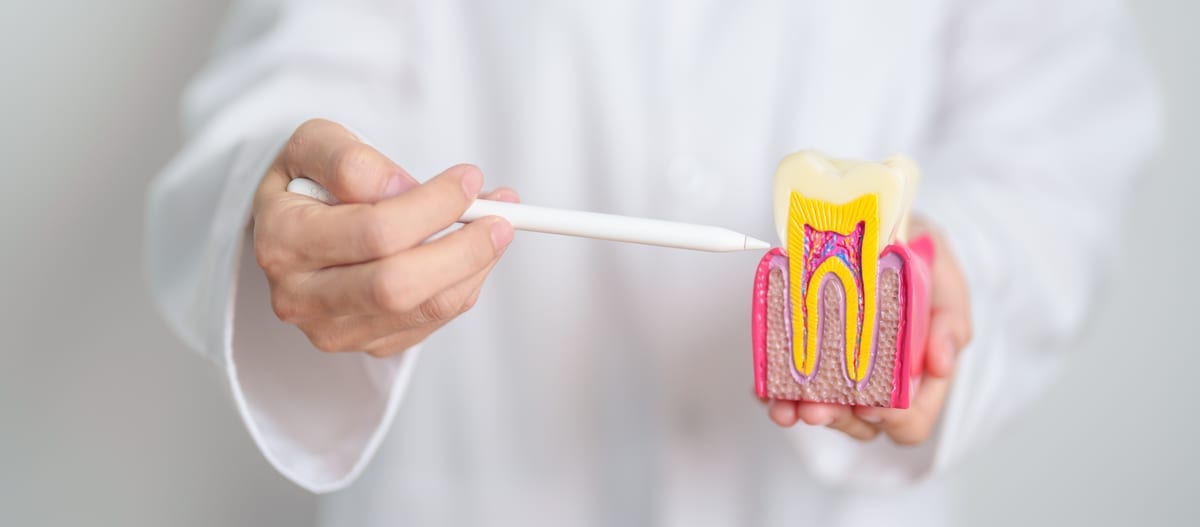
The implant itself is a titanium post that fuses with your jawbone. This process — called osseointegration — makes the implant incredibly stable. The crown on top may need replacement after 10–15 years, but the root remains intact.
Key factors that influence implant longevity include:
- Good oral hygiene habits at home
- Regular professional dental cleanings
- No smoking or tobacco use
- Healthy gum tissue and adequate jawbone density
- Avoiding excessive pressure on the implant
Implants also preserve your jawbone. When a tooth is missing, the bone underneath begins to shrink. Implants stimulate the bone just like a natural tooth root does.
How Long Do Dentures Last — and What’s the Real Cost Over Time?
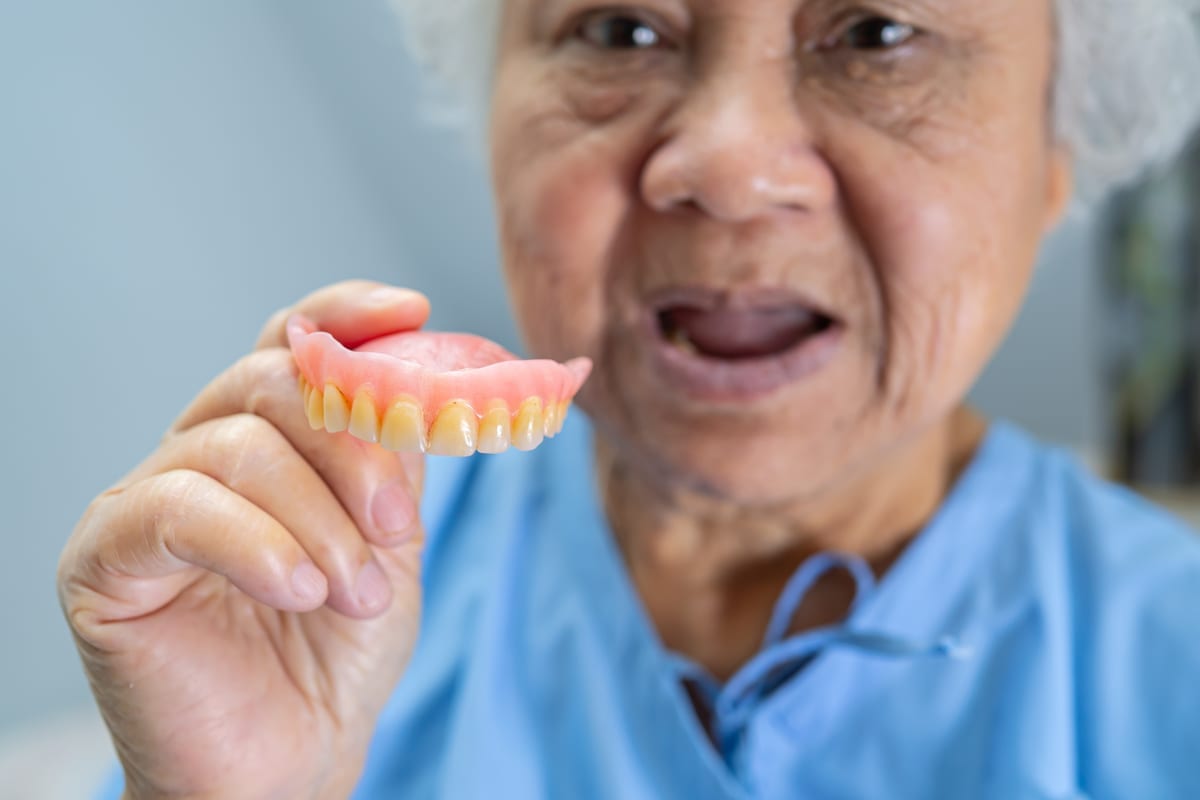
Dentures have come a long way. Modern full and partial dentures look natural and function reasonably well. However, they typically need replacement every 5–8 years. That’s a significant difference compared to implants.
Dentures sit on top of your gums rather than anchoring into bone. Over time, your jawbone continues to shrink without stimulation. This changes the shape of your face and causes the dentures to fit less precisely. Refitting or relining becomes necessary every few years.
Here’s what denture wearers commonly experience over time:
- Gradual loosening of fit as bone volume decreases
- Difficulty eating certain foods, especially hard or crunchy items
- Need for adhesives to keep dentures in place
- Changes in facial appearance due to bone loss
- Ongoing maintenance costs for relining and replacement
Many patients underestimate these long-term costs. When you factor in replacements, relining, and adhesives over 20 years, dentures can rival the upfront cost of implants.
Dental Implants vs. Dentures: Comparing Quality of Life in East Hill-Meridian
Longevity isn’t just about years. It’s also about how well a solution works day to day. East Hill-Meridian residents lead active lives, and your tooth replacement should keep up.
Dental implants function like real teeth. You eat, speak, and smile without thinking about them. There are no food restrictions, no removal at night, and no slipping during conversation. Most patients forget they even have an implant after a few months.
Dentures require more daily management. They must be removed for cleaning. They can shift during speech or meals. Some foods — like corn on the cob or tough meats — become difficult or off-limits.
That said, dentures are a valid solution for many people. They require no surgery, have a shorter treatment timeline, and can replace many teeth at once. For patients who are not surgical candidates, dentures offer reliable function and an improved appearance.
Which Option Is Right for You? Factors to Consider
There is no single right answer for every patient. The best choice depends on several personal factors. Dr. Suman Hothi evaluates each patient individually before making any recommendation.
Consider implants if you:
- Have one or several missing teeth in specific locations
- Have sufficient jawbone density or are eligible for bone grafting
- Want a permanent, low-maintenance solution
- Are in good overall health and a non-smoker
Consider dentures if you:
- Are missing most or all of your teeth
- Are not a candidate for surgery due to health conditions
- Need a faster, more immediate solution
- Are looking for a removable option with lower upfront cost
There’s also a middle-ground option worth knowing about: implant-supported dentures. These combine both technologies. A small number of implants anchor a full denture in place. You get better stability than traditional dentures with fewer implants than a full arch of individual replacements.
What About Dental Bridges?
Bridges are another alternative worth mentioning. A dental bridge fills a gap by anchoring an artificial tooth to the healthy teeth on either side. Unlike implants, a bridge doesn’t require surgery or bone integration.
Bridges typically last 10–15 years with proper care. However, they require filing down healthy adjacent teeth to support the bridge. This permanently alters those teeth. If the bridge fails, those supporting teeth are also affected.
Implants avoid this problem entirely. Each implant stands independently without altering surrounding teeth. For single-tooth replacement, most dentists consider implants the superior long-term option.
If you’re exploring cosmetic improvements alongside tooth replacement, Dental Bonding East Hill-Meridian can address chips, cracks, or minor gaps in remaining teeth. It’s a quick, non-invasive option that pairs well with other restorative treatments.
Making Your Decision with Confidence
Choosing between dental implants and dentures is a deeply personal decision. Both are legitimate, proven solutions with real advantages. The key is matching the right option to your specific situation, health history, and long-term goals.
Dr. Suman Hothi and the team at Aura Dentistry and Spa of Renton are here to guide East Hill-Meridian patients through this process. We take time to explain every option clearly. We want you to feel confident — not pressured — about your care. Book Now to schedule your appointment with our team.
Frequently Asked Questions
How long do dental implants last compared to dentures?
Dental implants can last 25 years or a lifetime with proper care. Traditional dentures typically need replacement every 5–8 years. Over a lifetime, implants often prove more durable and cost-effective despite higher upfront costs.
Are dental implants painful to get?
Most patients report less discomfort than they expected. The procedure is performed under local anesthesia, so you won’t feel pain during placement. Mild soreness in the days following is normal and manageable with over-the-counter pain relief.
Can anyone get dental implants in East Hill-Meridian?
Not everyone is an immediate candidate. Good candidates have healthy gums and adequate jawbone density. Patients with bone loss may still qualify after a bone grafting procedure. Dr. Suman Hothi evaluates each patient’s suitability during a comprehensive consultation.
Do dentures look natural?
Modern dentures are designed to look very natural. They are custom-made to match your gum tone and facial structure. However, bone loss over time can affect fit and appearance, which is why regular dental checkups remain important for denture wearers.
What is an implant-supported denture?
An implant-supported denture uses a small number of dental implants — typically two to four — to anchor a full denture in place. This eliminates the slipping and instability of traditional dentures while avoiding the cost of replacing every tooth individually with a single implant.
Ready to see us?
New patients are always welcome.
Book an appointmentCall us (425) 277-0125