

Many patients dread root canals more than almost any other dental procedure. But here’s the truth — most of that fear is based on outdated information. Understanding what you’ll actually feel during root canal therapy in Renton can change everything. At Aura Dentistry and Spa of Renton, Dr. Suman Hothi guides patients through each step with care and transparency. This article breaks down the entire process so you know exactly what to expect.
Why Root Canals Have an Unfair Reputation
Root canals earned their scary reputation decades ago, before modern anesthesia improved significantly. Today, the procedure is much closer to getting a routine filling. Most patients report feeling very little during treatment — and significant relief afterward.
The real discomfort often comes before the procedure, not during it. A badly infected tooth can cause throbbing pain, sensitivity, and swelling. The root canal itself is what ends that pain. Once the infected pulp is removed, the source of your discomfort is gone.
Understanding each phase helps reduce anxiety. Knowing what the dentist is doing — and why — puts you in control of your experience. Let’s walk through the procedure from start to finish.
What You’ll Actually Feel During Root Canal Therapy in Renton: Step by Step
Every root canal follows a predictable sequence of steps. Dr. Hothi takes time to explain each phase before beginning. Here is what you can expect at every stage of the process.
- Numbing the area: A topical gel is applied first, then a small injection delivers local anesthesia. You may feel a brief pinch or mild pressure during the injection.
- Isolating the tooth: A small rubber dam is placed around the tooth. This keeps the area dry and clean. You will feel it but it is not painful.
- Accessing the pulp: Dr. Hothi opens the top of the tooth with a dental drill. You may hear a buzzing sound. With full anesthesia, you should feel no pain — just vibration or pressure.
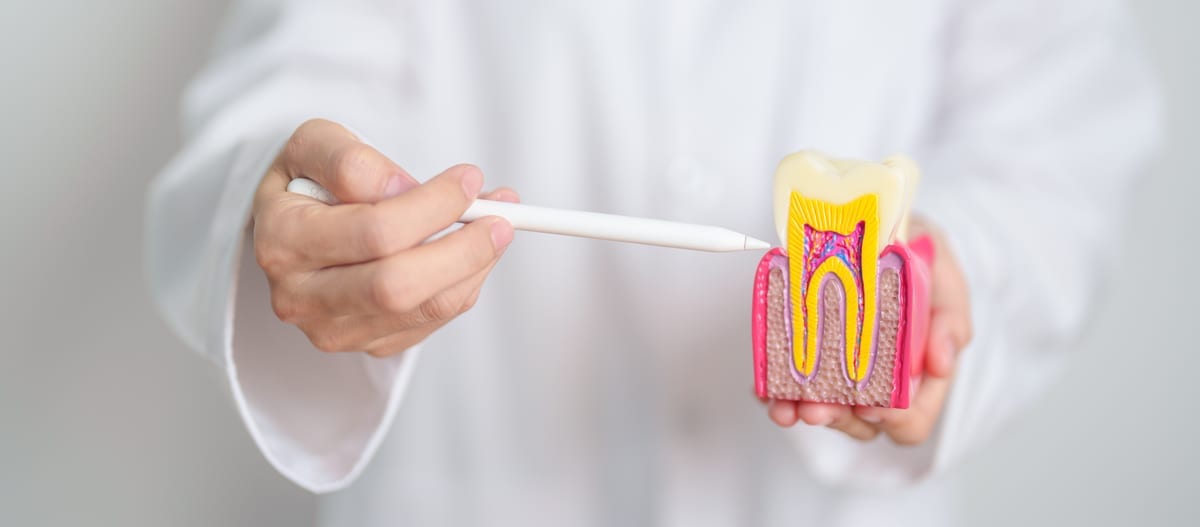
- Removing the infected tissue: Tiny instruments clean out the pulp chamber and root canals. You may feel a slight sensation deep inside the tooth. This is normal and not sharp pain.
- Shaping and irrigating the canals: The canals are shaped and flushed with a disinfecting solution. This step feels like mild pressure, nothing more.
- Sealing the tooth: A biocompatible material fills the cleaned canals. The tooth is then capped with a temporary or permanent filling.
Each of these steps is designed to keep you comfortable. If you feel anything beyond pressure at any point, simply raise your hand. Dr. Hothi will stop and address your comfort immediately.
What the Anesthesia Actually Does — and How It Feels
The biggest fear most patients have is pain during the procedure. Local anesthesia completely blocks nerve signals from the tooth and surrounding tissue. When it works fully, you feel pressure and movement — but not pain.
The anesthesia injection itself is the most uncomfortable part for many people. Dr. Hothi applies a topical numbing gel beforehand to reduce that sensation. The injection feels like a quick, mild sting followed by a dull pressure. Within a few minutes, the area becomes completely numb.
Some patients worry the anesthesia won’t work on an infected tooth. Severe infections can sometimes lower the effectiveness of numbing agents. In those cases, Dr. Hothi uses additional techniques to ensure full comfort before proceeding. You will not be asked to push through discomfort.
Once the area is numb, you may notice your lip, cheek, or tongue feel heavy or tingly. This is completely normal. That sensation fades within a few hours after the procedure ends.
What to Expect After the Procedure Is Complete
Root canal aftercare is straightforward and manageable. Most patients leave the office feeling relieved rather than in pain. The infected tooth no longer throbs or aches the way it did before treatment.
You may experience mild soreness in the jaw or gum tissue for a few days. This is from the procedure itself, not from ongoing infection. Over-the-counter pain relievers typically handle this discomfort well.
Here is what the first few days after a root canal often look like:
- Mild tenderness when biting on the treated tooth
- Slight jaw stiffness from keeping your mouth open during the procedure
- Minor gum sensitivity around the treated area
- Gradual return to normal chewing and eating within a few days
Dr. Hothi will place a crown over the treated tooth to protect it long-term. A tooth without its pulp can become brittle over time. The crown restores full function and keeps the tooth strong.
If you are ever exploring ways to replace a lost tooth, our team also offers Dental Implants Renton as a long-term solution. For patients who already have implants, we provide guidance on Dental Implant Maintenance Renton to keep them healthy and lasting for decades.
Tips for Staying Calm and Comfortable During Your Visit
Anxiety before a dental procedure is normal. There are practical things you can do to make your visit easier. Preparation goes a long way in reducing stress on the day of your appointment.
Consider these strategies for staying calm:
- Ask Dr. Hothi to explain each step before it happens
- Use a hand signal to pause the procedure if you need a break
- Bring headphones and listen to music or a podcast during treatment
- Practice slow, deep breathing to calm your nervous system
- Avoid caffeine the morning of your appointment
Our team at Aura Dentistry and Spa of Renton is trained to support anxious patients. We work at your pace. Nobody rushes through a procedure here. Your comfort is a priority from the moment you sit in the chair.
Conclusion: Root Canals Are Nothing to Fear
Root canal therapy has changed dramatically. Today it is a comfortable, straightforward procedure that relieves pain rather than causing it. Knowing what you’ll actually feel during root canal therapy in Renton helps replace fear with confidence. Dr. Suman Hothi and the team at Aura Dentistry and Spa are here to guide you through every step with honesty and care. Book Now to schedule your appointment with our team.
Frequently Asked Questions
Is a root canal painful?
With modern local anesthesia, most patients feel little to no pain during the procedure. You may notice pressure or vibration, but not sharp discomfort. Dr. Hothi ensures the area is fully numb before beginning any treatment.
How long does a root canal appointment take?
Most root canal procedures take between 60 and 90 minutes. Complex cases involving multiple canals may require a second visit. Dr. Hothi will give you a clear timeline before your procedure begins.
Will I need a crown after a root canal?
In most cases, yes. A crown protects the treated tooth from cracking under normal biting pressure. Dr. Hothi will discuss your restoration options and recommend the best approach for your situation.
How long does recovery take after a root canal?
Most patients feel back to normal within two to three days. Mild soreness and jaw stiffness are common but manageable. Over-the-counter pain relievers and soft foods help during the first day or two.
What happens if I avoid getting a root canal?
Leaving an infected tooth untreated allows the infection to spread. It can reach surrounding teeth, the jawbone, or even enter the bloodstream in severe cases. Addressing the problem early with a root canal protects your overall oral health.