

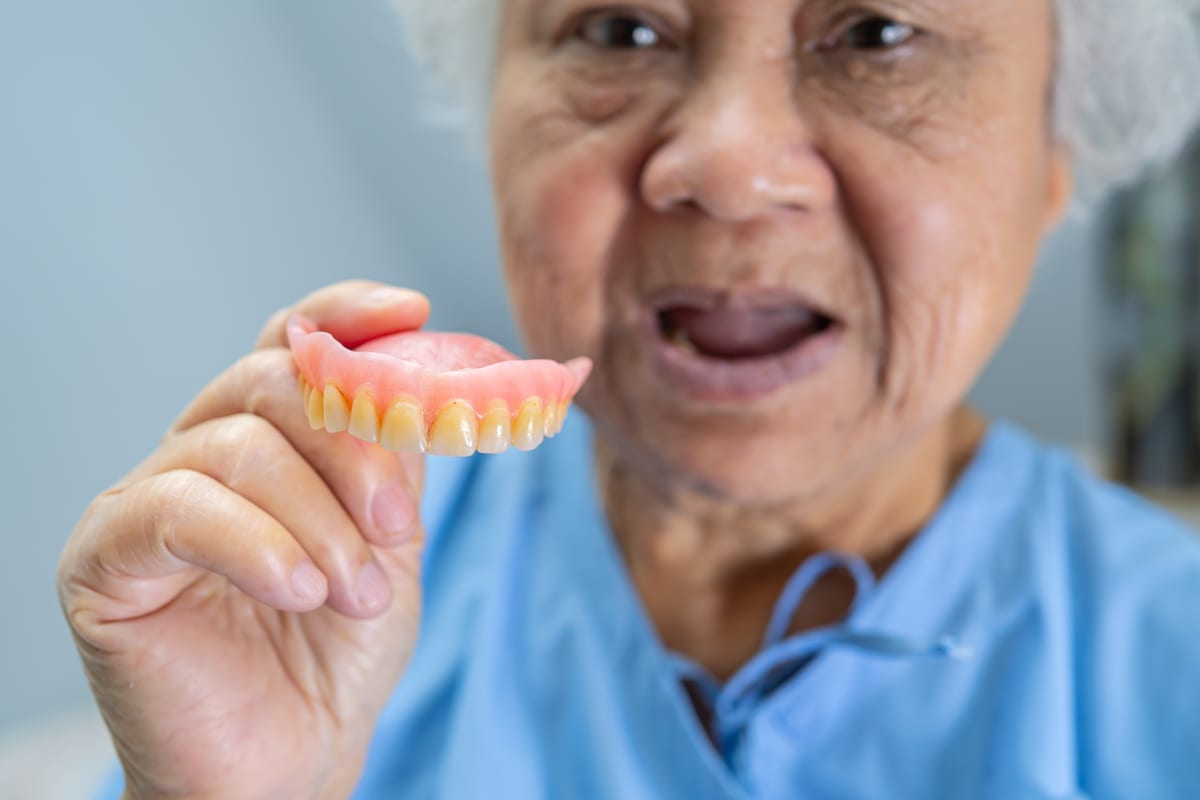
Getting dentures is a meaningful step toward restoring your smile and confidence. But your first month with dentures can feel overwhelming if you don’t know what’s coming. At Aura Dentistry and Spa of Renton, Dr. Suman Hothi helps patients understand every stage of the adjustment period. Knowing what to expect and how to adapt in Renton makes the transition far less stressful.
The First Week: Understanding Normal Discomfort
New dentures rarely feel comfortable right away. Your mouth needs time to adjust to a foreign appliance. Some soreness, pressure, and mild irritation are completely normal in the first week.
Your gum tissue is adapting to a new fit. Saliva production often increases significantly at first. Your brain is also learning to recognize the dentures as part of your mouth rather than an object to reject.
Here are common first-week experiences Dr. Hothi’s patients report:
- Mild to moderate gum soreness
- Excess saliva or gagging sensation
- Feeling like the dentures are too big or loose
- Difficulty closing the mouth naturally
- Minor swelling in surrounding tissue
These symptoms typically peak around days three to five. Most patients notice clear improvement by the end of the first week. Follow Dr. Hothi’s specific aftercare instructions to support healing during this phase.
Speech Changes and How to Adapt in Renton
Many new denture wearers are surprised by how much dentures affect speech. Sounds like s, f, and th often come out differently at first. This happens because your tongue and lips are adjusting their positioning around new structures.
The good news is that speech difficulties are temporary for most patients. Consistent practice accelerates the adaptation process significantly. Reading aloud daily is one of the most effective strategies Dr. Hothi recommends.
Try these practical speech exercises during your adjustment period:
- Read a newspaper article aloud every morning for ten minutes
- Repeat challenging words slowly until they sound natural
- Speak at a slightly slower pace in conversations
- Record yourself talking to notice patterns and improvements
- Sing along to familiar songs to loosen speech muscle tension
Most patients in Renton find their speech normalizes within two to four weeks. Be patient with yourself during this process. Your mouth is developing entirely new muscle memory.
Eating Challenges and What to Expect
Eating with new dentures requires a complete relearning process. Your bite force changes substantially with dentures. Foods you once chewed easily may feel difficult or even uncomfortable at first.
Start with soft, easy-to-manage foods during your first two weeks. Cut food into smaller pieces than you normally would. Chew slowly and use both sides of your mouth simultaneously to distribute pressure evenly.
Foods to prioritize in your first month include:
- Scrambled eggs, yogurt, and mashed potatoes
- Soft fish like tilapia or salmon
- Cooked vegetables such as carrots, squash, and peas
- Smoothies and protein shakes for easy nutrition
- Soft bread without hard crusts
Avoid hard, sticky, or crunchy foods early on. Nuts, raw apples, crusty bread, and tough meats can dislodge dentures or cause painful pressure spots. Gradually reintroduce more varied textures as your comfort improves over weeks three and four.
Managing Sore Spots and Fit Issues
Sore spots are one of the most common complaints during the first month. They typically develop where the denture base presses unevenly against gum tissue. These pressure points are important signals that need professional attention.
Never attempt to adjust your dentures yourself at home. Filing or bending dentures can permanently damage them and worsen the problem. Always contact Aura Dentistry and Spa of Renton for a professional adjustment appointment.
Dr. Hothi expects most new denture patients to need one or two adjustment visits in the first month. This is completely normal and part of the fitting process. These follow-up appointments are essential for your comfort and long-term oral health.
If you experience persistent sore spots, try these temporary relief measures:
- Rinse with warm saltwater two to three times daily
- Apply a small amount of denture adhesive to stabilize fit
- Remove dentures for several hours each day to let tissue recover
- Eat only very soft foods until you can see Dr. Hothi
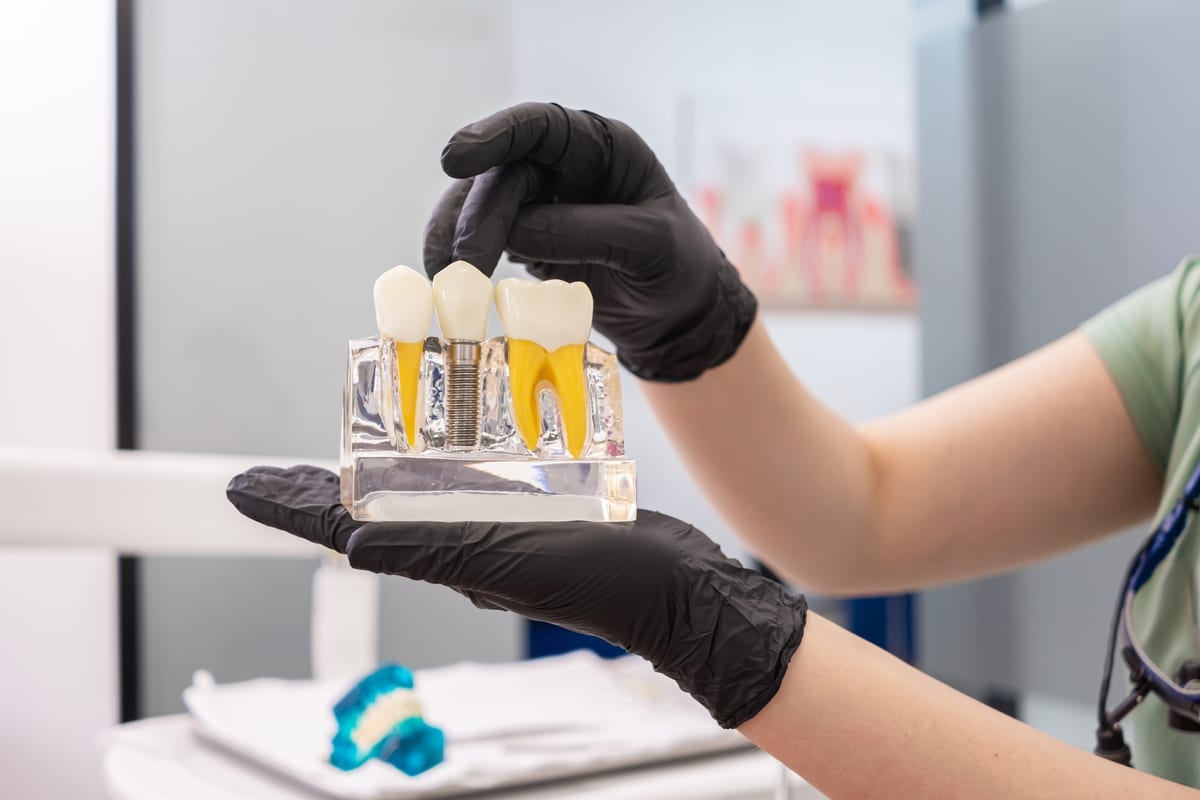
It is also worth noting that patients exploring tooth replacement options sometimes ask about Dental Implants Renton as an alternative to traditional dentures. Implants offer a more stable, permanent solution for some patients. Dr. Hothi can help you evaluate which option fits your needs best.
Building Long-Term Denture Confidence
By the end of your first month, most patients feel significantly more confident with their dentures. The adjustment period does not last forever. Consistency in care and communication with your dental team makes a major difference.
Clean your dentures thoroughly every night. Remove them while sleeping to let your gums rest and recover. Store them in water or a denture-soaking solution to prevent warping.
Schedule regular checkup appointments with Dr. Hothi even after the adjustment period ends. Your gums and jawbone continue to change over time. Ill-fitting dentures that go unchecked can cause bone loss and tissue damage.
Patients who also have dental implants should stay consistent with their care routine. Learning about Dental Implant Maintenance Renton helps those with implant-supported dentures keep their investment protected long-term. Proper maintenance extends the life of both implants and dentures significantly.
The first month is honestly the hardest part. After that, most Renton patients report that dentures feel increasingly natural and manageable. Give yourself grace, follow your care instructions, and stay in close contact with our team throughout the process.
Conclusion: You Can Adapt Successfully
Your first month with dentures involves real challenges — but every one of them is manageable with the right support. Understanding what to expect and how to adapt in Renton is the first step toward a confident, comfortable outcome. Dr. Suman Hothi and the team at Aura Dentistry and Spa of Renton are here to guide you through every stage of the adjustment process. Book Now to schedule your appointment with our team.
Frequently Asked Questions
How long does it take to fully adjust to new dentures?
Most patients feel significantly more comfortable within four to eight weeks. However, full adaptation — including natural speech and confident eating — can take up to three months for some individuals. Consistent wear, daily practice, and follow-up visits with Dr. Hothi speed up the process considerably.
Is it normal for new dentures to feel loose?
Yes, new dentures often feel loose during the first few weeks. Your mouth muscles and tongue are still learning to hold the dentures in place naturally. Denture adhesive can help temporarily, but schedule an adjustment appointment if looseness persists beyond two to three weeks.
Can I sleep with my new dentures in?
Most dental professionals, including Dr. Hothi, recommend removing dentures at night. Sleeping without dentures gives your gum tissue essential rest and recovery time. It also reduces the risk of bacterial buildup and sore spots caused by prolonged pressure on the gums.
What should I do if I develop a painful sore spot?
Rinse the area with warm saltwater and reduce pressure by eating only soft foods. Do not attempt to adjust the dentures yourself, as this can cause permanent damage. Contact Aura Dentistry and Spa of Renton promptly so Dr. Hothi can professionally relieve the pressure point causing the sore.
How often should I visit the dentist after getting dentures?
Dr. Hothi typically schedules one or two follow-up visits within the first month to address fit adjustments. After the initial period, annual or biannual checkups are recommended. These visits allow the dentist to monitor changes in your jawbone and gum tissue and reline or replace dentures as needed.